
Email remains one of the most powerful communication channels. Yet, many email senders unknowingly sabotage their own campaigns. Messages land in spam folders, open rates stay low, and engagement drops—not because email is ineffective, but because of simple, repeated mistakes.
From poor list hygiene to skipping testing entirely, these errors hurt sender reputation, deliverability, and trust. Fortunately, every one of these mistakes can be avoided with the right approach, discipline, and testing habits—especially when tools like https://temp-mail.fyi are used correctly.
Let’s break down the most common email sending mistakes and, more importantly, how not to repeat them.
Sending Emails Without Proper Testing
The mistake
Many senders launch campaigns without testing how emails actually appear or behave in real inboxes. Broken links, missing images, formatting issues, and spam-triggering elements often go unnoticed.
Why it’s harmful
- Emails may display incorrectly on different clients
- Spam filters may flag untested content
- Recipients lose trust instantly
How not to do it
Before sending any campaign:
- Test emails across multiple inbox types
- Verify links and images
- Review headers and subject lines
Using https://temp-mail.fyi, email senders can safely test campaigns in disposable inboxes without risking their main email accounts. This allows you to preview content, check deliverability signals, and catch errors early—without clutter or exposure.
Ignoring Spam Filters and Deliverability Signals
The mistake
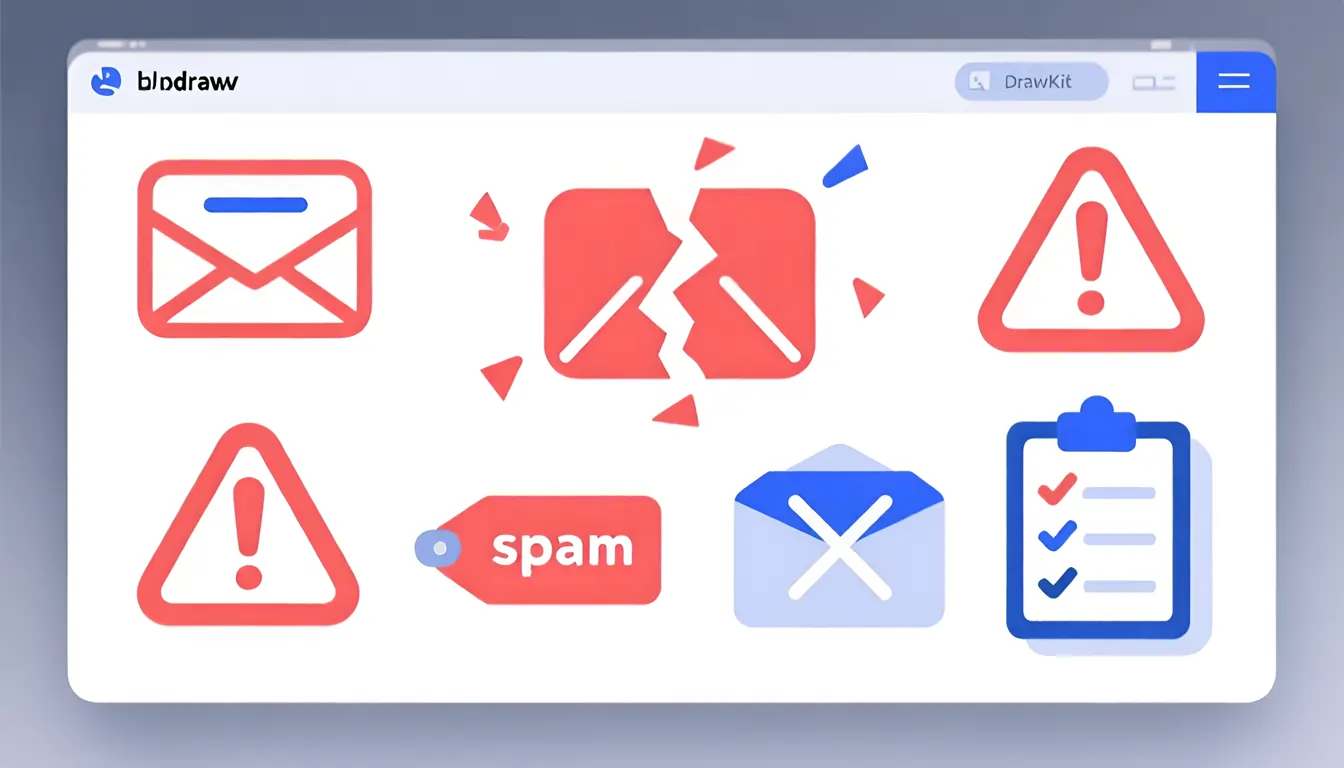
Many senders focus only on design and copy while ignoring spam rules. Words, formatting, and links that trigger filters are often used unknowingly.
Why it’s harmful
- Emails never reach the inbox
- Domain reputation declines
- Future campaigns suffer
How not to do it
- Avoid excessive capitalization and punctuation
- Balance text and images
- Use clear, honest subject lines
Test your email content by sending it to temporary inboxes from https://temp-mail.fyi. If messages consistently land in spam folders there, it’s a strong signal that filters may block them elsewhere too.
Using Poor or Purchased Email Lists
The mistake
Buying email lists or emailing users who never opted in remains one of the most damaging practices.
Why it’s harmful
- High bounce rates
- Spam complaints
- Blacklisting risks
How not to do it
- Build lists organically
- Use double opt-in methods
- Regularly clean inactive subscribers
For internal testing, never use real customer addresses. Instead, simulate signups and flows with https://temp-mail.fyi, which helps you validate opt-in processes without risking real user data.
Skipping Authentication Setup
The mistake
Some senders neglect email authentication protocols such as SPF, DKIM, and DMARC.
Why it’s harmful
- Emails appear untrustworthy
- Increased spoofing risk
- Lower inbox placement
How not to do it
- Configure SPF, DKIM, and DMARC correctly
- Monitor authentication reports
- Test sending behavior regularly
You can verify authentication behavior by sending test emails to https://temp-mail.fyi inboxes and inspecting headers—without exposing sensitive production inboxes.
Overloading Emails With Images and Links
The mistake
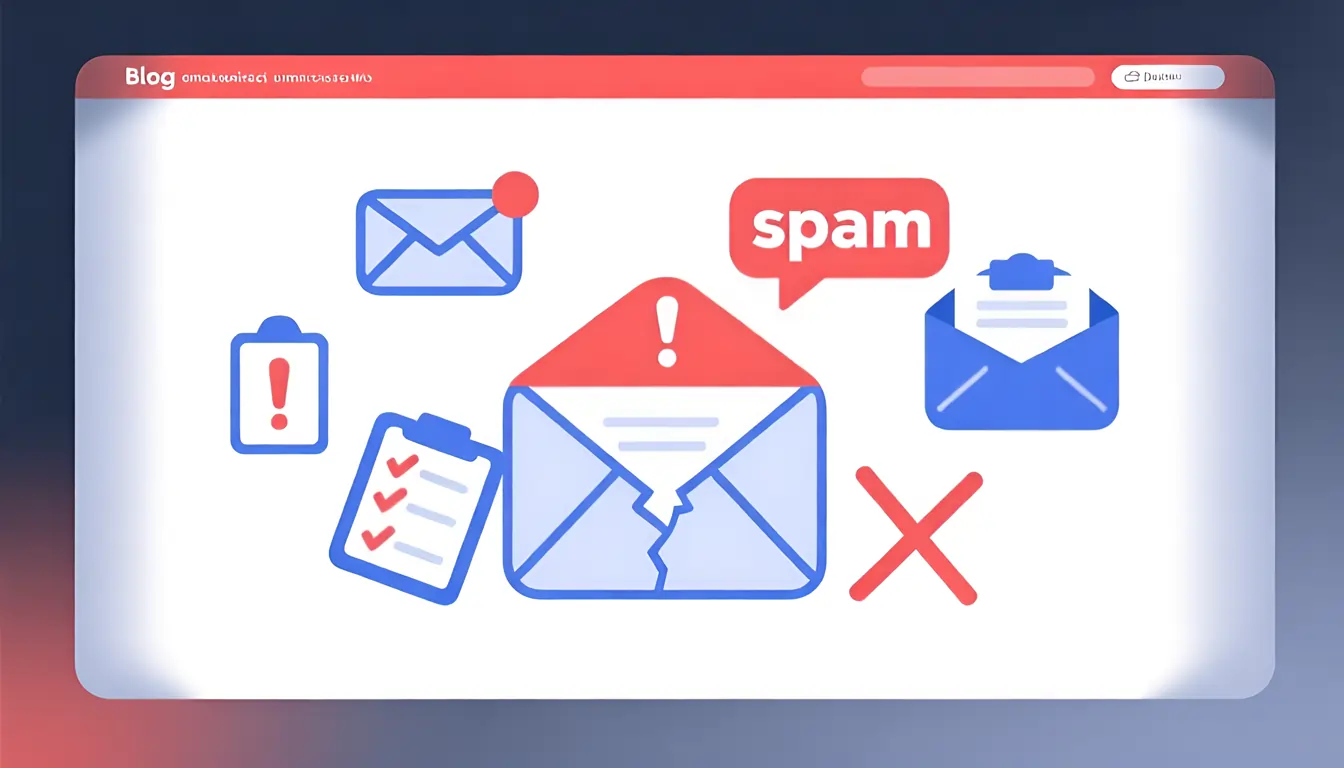
Emails packed with images, buttons, and links may look appealing but often trigger spam filters.
Why it’s harmful
- Slower load times
- Spam classification
- Lower engagement
How not to do it
- Maintain a healthy text-to-image ratio
- Limit external links
- Optimize image sizes
Use https://temp-mail.fyi to preview how emails load in a clean, distraction-free inbox. This helps you spot rendering and performance issues before sending at scale.
Sending From Unfamiliar or Inconsistent Domains
The mistake
Changing sender domains frequently or using free email providers for bulk sending.
Why it’s harmful
- Confuses recipients
- Weakens domain trust
- Increases spam suspicion
How not to do it
- Send from a consistent, branded domain
- Warm up new domains gradually
- Maintain predictable sending patterns
Temporary inboxes at https://temp-mail.fyi are ideal for verifying sender identity consistency during domain warm-up phases.
Not Personalizing Email Content
The mistake
Sending generic, one-size-fits-all messages.
Why it’s harmful
- Low open rates
- High unsubscribe rates
- Reduced engagement
How not to do it
- Use subscriber names where appropriate
- Segment lists by behavior
- Send relevant, timely messages
Test personalization tokens by sending drafts to https://temp-mail.fyi addresses to ensure fields populate correctly and never break.
Failing to Monitor Bounces and Complaints
The mistake
Ignoring bounce reports and spam complaints after campaigns are sent.
Why it’s harmful
- Reputation damage accumulates silently
- Deliverability declines over time
How not to do it
- Monitor bounce rates closely
- Remove hard bounces immediately
- Adjust content based on complaint feedback
Before large sends, simulate delivery and bounce handling by routing test emails through https://temp-mail.fyi to validate flows without real-world consequences.
Not Giving Recipients an Easy Way to Unsubscribe
The mistake
Hiding unsubscribe links or making them difficult to find.
Why it’s harmful
- Users mark emails as spam instead
- Compliance risks increase
How not to do it
- Make unsubscribe links visible
- Honor requests immediately
- Respect user preferences
Test unsubscribe flows using disposable inboxes from https://temp-mail.fyi to confirm everything works smoothly.
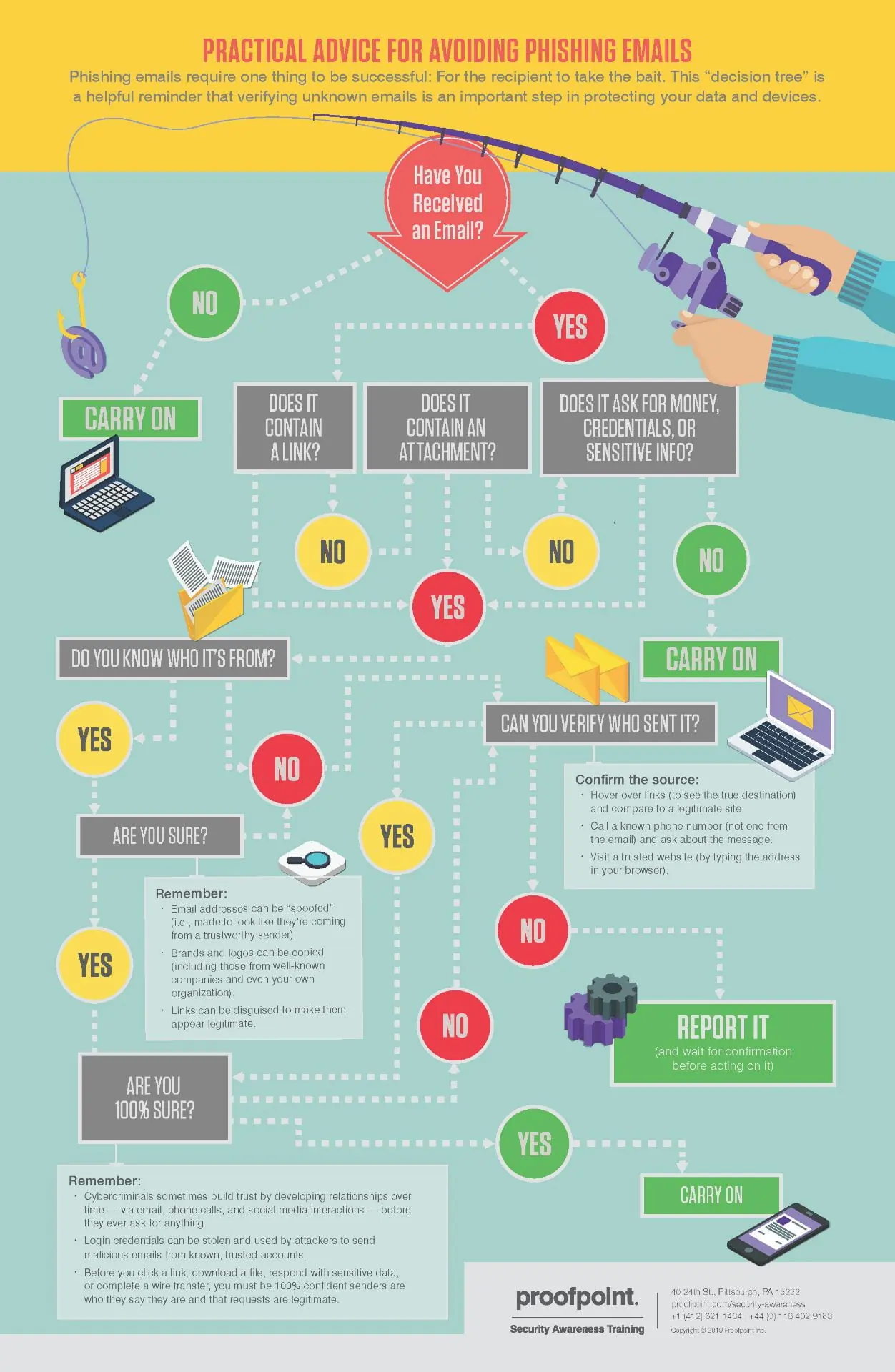
Practical Advice for avoiding phishing emails
Why https://temp-mail.fyi Is Useful for Email Senders
Email senders often think temp mail is only for users—but it’s just as valuable for senders.
Benefits include
- Safe campaign testing
- Inbox placement checks
- Header and authentication review
- QA for signup and unsubscribe flows
- No clutter in real inboxes
By integrating https://temp-mail.fyi into your email testing workflow, you reduce mistakes before they become expensive deliverability problems.
Conclusion
Most email sending failures are not caused by bad intentions—but by overlooked details. Common mistakes like skipping testing, ignoring spam rules, poor list hygiene, and weak authentication silently damage sender reputation.
The good news? Every mistake listed here is preventable.
By adopting better practices and using tools like https://temp-mail.fyi for safe, disposable inbox testing, email senders can:
- Improve deliverability
- Reduce spam complaints
- Protect domain reputation
- Increase engagement
- Build long-term trust
Email success isn’t about sending more—it’s about sending smarter.
